Youngkin signs bill placing regulations on license plate readers and law enforcement
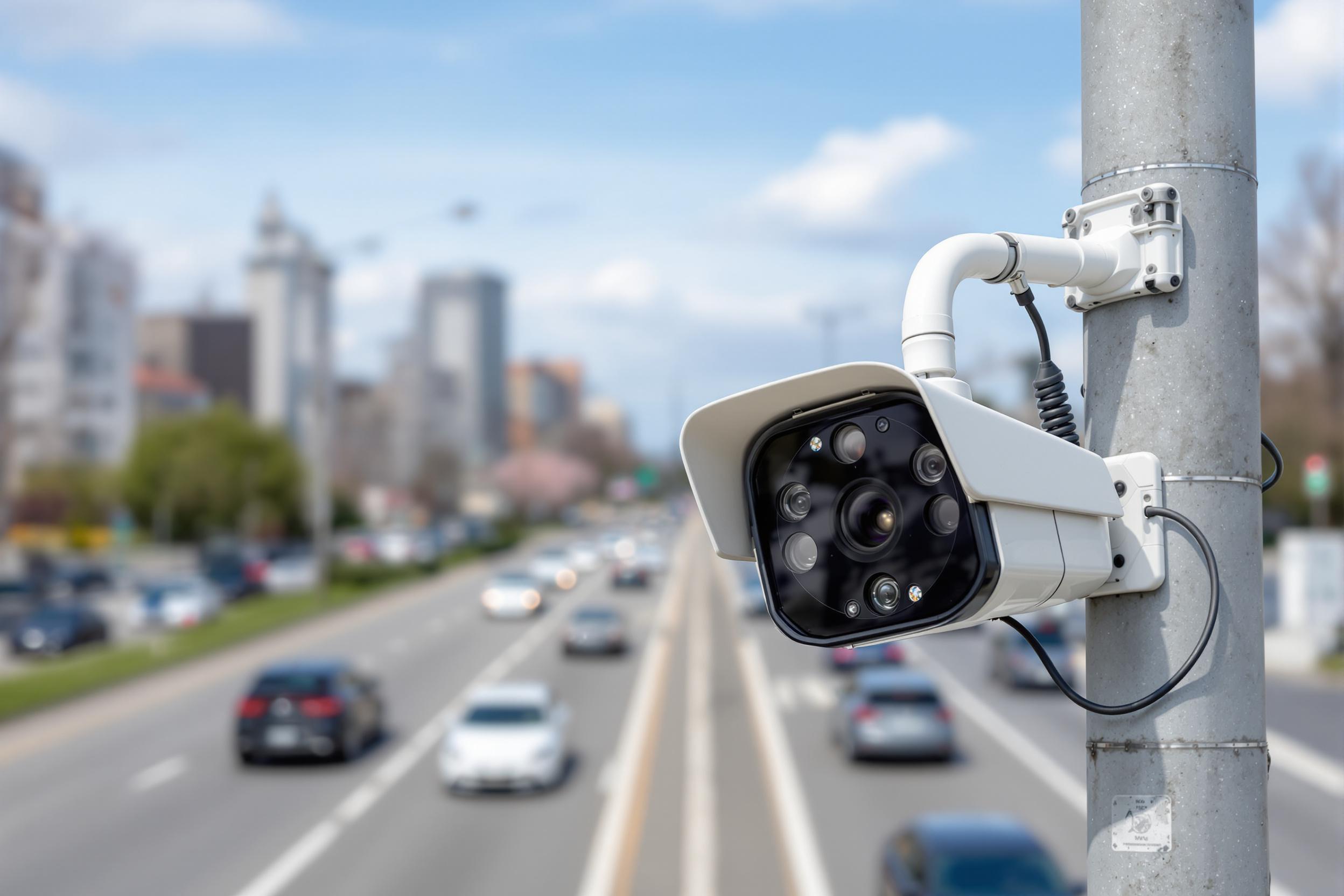
RICHMOND, Va. — Governor Glenn Youngkin on Friday signed into law a sweeping bill regulating the use of automatic license plate recognition (ALPR) systems across the Commonwealth, setting new standards for law enforcement agencies and advancing privacy and transparency in digital surveillance.
The bill, which originated as a recommendation from the Virginia State Crime Commission, outlines strict conditions under which ALPR systems may be used by law enforcement.
Under the new law, these systems, designed to capture and analyze vehicle license plates, can only be employed in three scenarios:
- During a criminal investigation, when there is reasonable suspicion of a crime
- As part of an active investigation involving a missing or endangered person (including human trafficking cases)
- For receiving alerts regarding such persons, stolen vehicles, or stolen license plates.
In Hampton Roads, local police forces have previously praised the technology.
"If I bring my detectives in this room right now and I ask them, what's the single most important, most effective technology that we have? It's the license plate readers," said Virginia Beach Police Chief Paul Neudigate. "It's solving shootings, homicides, alerting us to missing individuals."
Cities vary on the number of ALPR cameras within their respective boundaries:
- Suffolk: 72
- Chesapeake: 68
- Virginia Beach: 23
- Newport News: 89
- York County: 27
One provision—requiring law enforcement agencies to obtain a permit from the Department of Transportation before installing an ALPR system on a state right-of-way—will not go into effect unless reenacted by the General Assembly in its 2026 session.
The bill was sent back-and-forth between lawmakers and Governor Youngkin, who wished to implement the VDOT permitting sooner.
Since cities maintain their own right-of-ways, they can permit the use of ALPR's on their own. However for counties, it's not so simple.
“What we’ve had to do is find 27 locations where property owners have parcels that come close enough to the roadways to agree to allow us to install them on their property. It hinders us in placing them in the best places," York County-Poquoson Sheriff Ron Montgomery said.
Sheriff Montgomery, an advocate of the ALPR technology, said the county is short roughly 10 cameras to be able to cover all the entrances and exits from York County.
Beginning January 1, 2026, all law enforcement officers, including State Police, will be required to collect data on whether vehicle stops or detentions were prompted by an ALPR system notification. Officers must also document the specific reason for the notification, as outlined in the law. These measures are intended to provide transparency and allow for statewide oversight.
The bill also mandates that the Division of Purchases and Supply within the Department of General Services, in consultation with the Virginia Information Technologies Agency, determine and approve which ALPR systems are suitable for use in the Commonwealth.
A publicly accessible list of approved systems must be published by January 1, 2026. Those requirements become effective on July 1, 2026.
To further ensure oversight, law enforcement agencies will be required to submit annual reports beginning in April 2027, providing de-identified data about ALPR system usage. The Virginia State Police will be responsible for compiling these reports into a statewide summary.
Additionally, the Virginia State Crime Commission is tasked with evaluating the effectiveness and implementation of ALPR use and must report its findings to the General Assembly by the start of the 2026 session and again on November 1, 2026.
The last part of the bill makes any misuse of the data a class 1 misdemeanor. The bill's sponsor, Del. Charniele Herring, explained how the police need to handle the data.
"The bill requires that data that is stored to be destroyed within 30 days, unless it is needed for ongoing investigation or prosecution," Herring said.


1 comment:
The jurisdiction may use the LPR images for a specific period of time. I'll wager the company keeps the images for a much longer period which another jurisdiction may poach.
Post a Comment