Israel faces mounting tests as five fronts heat up
Hamas is rebuilding in Gaza, Hezbollah is rearming in Lebanon, and Iran is using every passing day to recover. The question is: when will Israel act.
By Vice Adm. (ret.) Eliezer Marom
Israel Hayom
Dec 1, 2025

IDF troops operating in Syria, Gaza and Lebanon
After two years of fighting, the ceasefire deal signed on October 9 between Israel and Hamas, mediated by the US, Qatar, Turkey and other countries, was supposed to signal the end of the Swords of Iron War. Yet on the main fronts, fighting continues at varying levels of intensity.
This prolonged condition of regional security instability does not bode well for Israel. A coordinated military and diplomatic effort, carried out in full partnership with the US, is needed to restore calm and stability.
The Lebanon front
On this front, Hezbollah is undergoing reconstruction and renewed force buildup. To prevent threats to northern communities, most of whose residents have already returned home, Israel must conduct daily military activity to disrupt any attempt by the Hezbollah terrorist organization to regroup near the border.
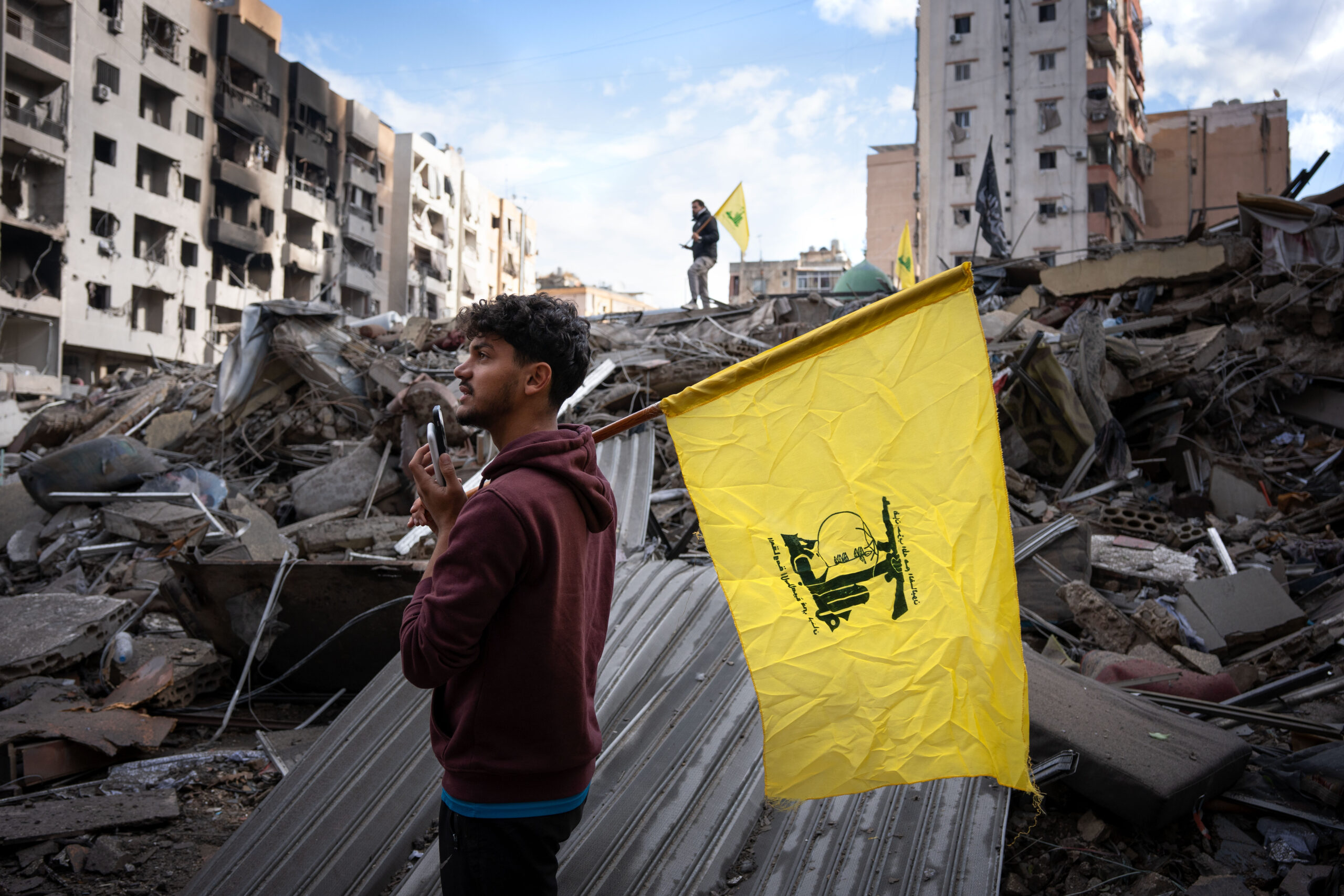
The agreement signed in November 2024 with the Lebanese government, mediated by US envoy Amos Hochstein, contained two major weaknesses. The first was its reliance on Lebanon's fragile government. The second was reliance on the Lebanese army to enforce the arrangement and dismantle Hezbollah's arsenal. Both proved to be unreliable pillars.
The Israel Defense Forces must carry out near-daily air operations and maintain control over dominant terrain inside Lebanese territory. The targeted killing of Hezbollah Chief of Staff Ali Tabatabai sent a message to Lebanon's government that it must act aggressively against the terrorist organization in order to preserve the agreement. For now, no long-term solution appears on the horizon and the IDF is likely to continue operating almost daily.
The Syrian front
The IDF is required to disrupt the efforts of Hamas, Hezbollah and other groups that are attempting to organize and challenge Israel along the line of contact. Israel's position on this front is somewhat better because the area contains very few Syrian communities, allowing more operational freedom. In addition, despite its internal problems, the Syrian government seems interested in stabilization and in reaching an arrangement.

Ultimately, Syria will remain a smaller state, with Turkish zones of influence in the north and Israeli zones of influence in the south. From time to time, deep operations will be necessary, similar to the recent one in Beit Jann, to eliminate growing terrorist activity. For now, it appears that IDF forces deployed in Syria will not withdraw to the international border and will remain inside Syrian territory for an extended period.
The Gaza front
This front is complex and fragile and is close to collapse and renewed fighting. The current reality, in which the IDF controls half of the Gaza Strip and the Hamas terrorist organization controls the other half, is volatile and dangerous. At this stage there is no progress in negotiations over the second phase of the agreement and Israel may remain in this situation for some time.

Hamas is restoring its military and administrative capacity and with every passing day the challenge Israel faces grows. The question is when Israel will need to act forcefully in areas controlled by Hamas in order to once again destroy the infrastructure that is constantly being rebuilt.
The Iranian front
The quiet on this front is deceptive. Iran is using every passing day to rebuild its air defense network and manufacture additional ballistic missiles that threaten Israel. Iran has not abandoned its nuclear project and will undoubtedly restore it.

It must be uthat Iran operaith a long-term vision, looking decades ahead. Israel must remain alert to this evolving threat, one it came to understand during Operation With the Lion. It is clear that the last word on this front has not been spoken.
The diplomatic front
President Donald Trump, who brokered the ceasefires in Iran, Lebanon and Gaza and is closely involved in developments in Syria, views the Middle East as a single strategic arena. His primary goal is expanding the Abraham Accords and bringing Saudi Arabia into them. Israel, for its part, is walking a tightrope. On the one hand, it must preserve its crucial alliance with the US. On the other, it must stand by its core principles.
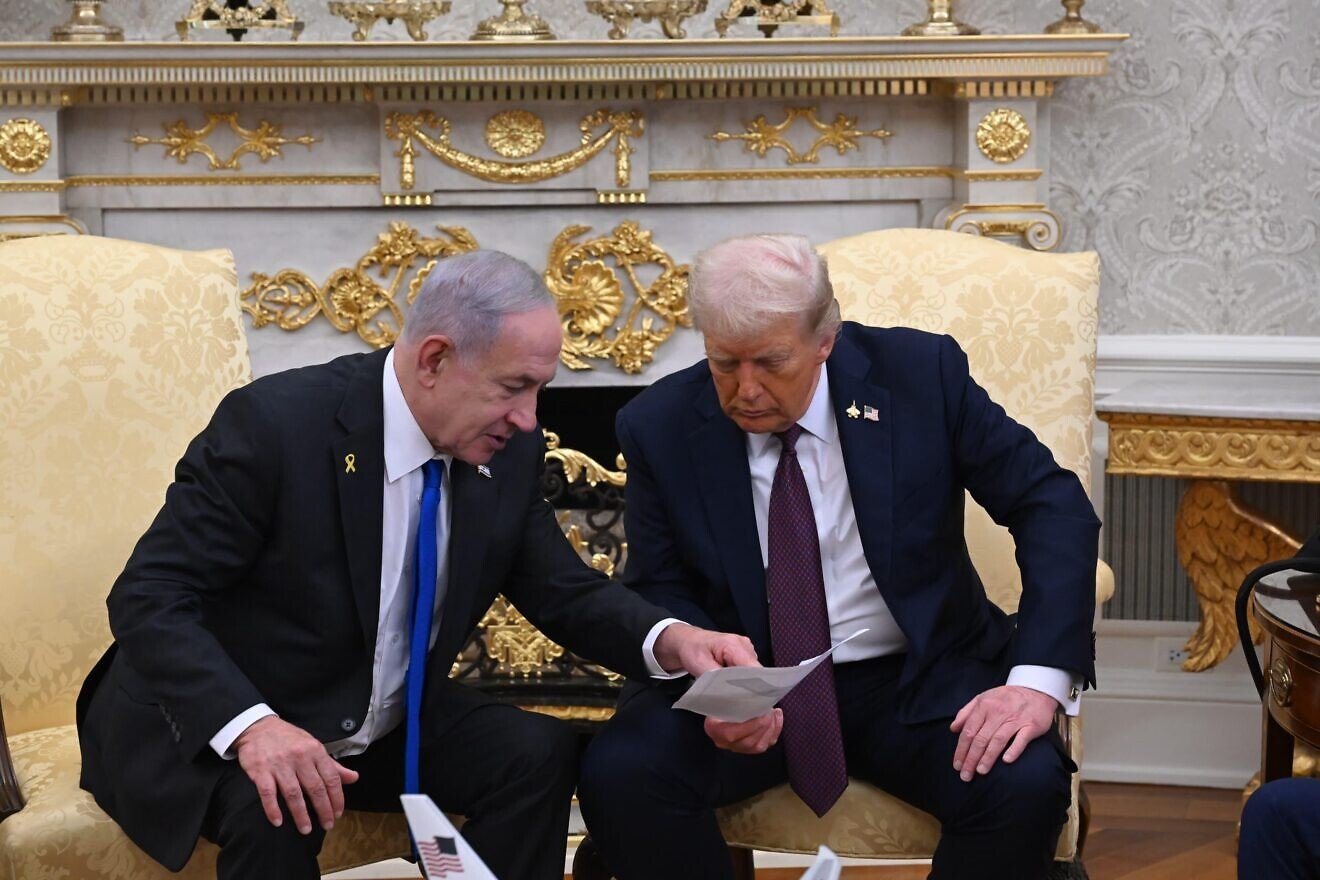
Israel therefore needs a continuous dialogue with the US while making clear that certain red lines cannot be crossed. First, no Palestinian state can be established between the Jordan River and the Mediterranean. Second, at this stage the security of frontline communities requires a physical IDF presence in Syria, Lebanon and Gaza.
In addition, the IDF will continue active operations to prevent hostile entrenchment across the border until responsibility can be transferred to others, if that even becomes possible. These principles must be explicit in every meeting with Israel's closest ally, the US. Only by upholding them can Israel ensure its security and its future.


No comments:
Post a Comment