Parents, beware of nannies and the nanny-state
Israel, like Judaism, promotes the directive to “be fruitful and multiply.” But that doesn’t mean the government is responsible for raising our children.
By Ruthie Blum
JNS
Jan 20, 2026
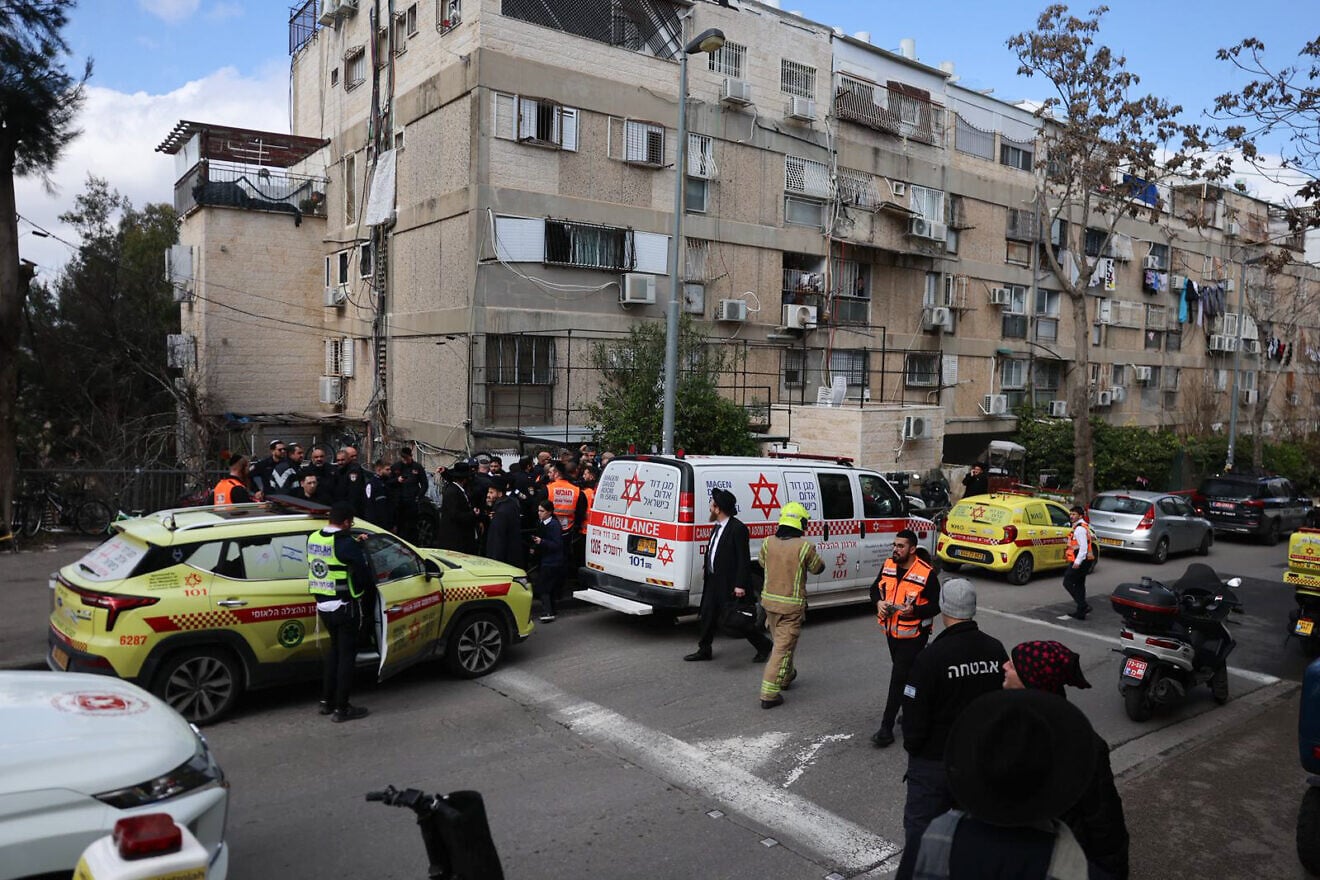
Three-month-old Lia Tzipora Golovnetsitz and six-month-old Aharon (Ari) Katz died on Jan. 19 at a private (pirate) daycare center in Jerusalem’s Romema neighborhood. Emergency services responded promptly to calls from the women running the unlicensed, unsupervised facility—two or three small apartments in a residential building—reporting that many of the children had become ill.
Chaos ensued when EMTs arrived on the premises and discovered that there were more than the 50 kids under the age of three suffering from an unknown ailment. Triage was extremely difficult, with efforts to resuscitate the two babies in critical condition ultimately failing, and dozens of others evacuated by ambulance to local hospitals.
The confusion that followed was unavoidable. Mothers and fathers rushing to locate their kids at the scene or find out where they had been taken for treatment. That most of the victims could not yet speak and carried no identification made information on this score initially scarce for the panicked parents.
Nor was it clear to medics and police what had caused the mysterious affliction. At first, they suspected toxic chemicals. When that was ruled out, investigators pivoted to possible carbon monoxide poisoning from a defective heater and poor ventilation.
Finally came the conclusion—yet to be verified—that dehydration was the culprit. Two lives lost not to a sudden accident or an unforeseeable act of God, but to neglect that defies comprehension.
Or does it? Well, not really.
Paying attention to the needs of so many babies and toddlers, most of whom are still in diapers, would be virtually impossible for anything less than an army of nannies. And from what appears at this stage to be the case, there were maybe three adults in charge—though even that number remains vague.
It is fitting, then, that the daycare owner and main caregiver were detained for reckless endangerment, or worse. More details will emerge after their scheduled appearance on Tuesday before a judge.
Predictably, the tragedy has become yet another bone of political and cultural contention, since the people involved are haredim. Never mind that disasters of all kinds have occurred in both licensed and unlicensed daycare centers, in various socioeconomic areas with no particular religious affiliation. Any issue surrounding “ultra-Orthodox” communities is fodder for furious, often ugly, debate.
The right is blaming Attorney General Gali Baharav-Miara for having cut daycare subsidies for haredim who refuse to perform mandatory service in the Israel Defense Forces, thereby forcing them to seek underground alternatives to government-supervised frameworks.
Yet, as certain pundits have pointed out, when five children of African asylum-seekers lost their lives in undocumented daycare facilities in Tel Aviv 11 years ago, the Prime Minister’s Office announced the allocation of 15 to 20 million shekels (the equivalent, at the time, of $4 million to $5 million) to rectify the situation.
The left, on the other hand, which always supports the African migrants, doesn’t tolerate haredim, whom it accuses of draft-dodging and self-imposed poverty, of using yeshiva studies to avoid entering both the Israel Defense Forces and the workforce.
To make matters more complicated in the current case, haredi protesters blocked roads and clashed with police on Monday night over the plan to perform autopsies on the two dead babies. Though such an examination will determine how the infants perished—a procedure that not only will aid the investigation, but hopefully prevent similar incidents in the future—the rioters opposing it cite the Jewish religious prohibition against desecrating the dead.
Perhaps, then, they should take more measures to safeguard the living—by not throwing themselves in front of moving vehicles during demonstrations, for example. Or by exercising greater discretion when it comes to hiring babysitters.
The makeshift daycare center in Romema may not have been subsidized by the government, but it certainly cost money. Interesting that no reporter thus far has been asking how much.
Which brings us to what the Israeli right and left, religious and secular, Ashkenazi and Sephardi have in common, often without even realizing it: espousal of the nanny state—no pun intended.
While it’s true that the State of Israel, like Judaism, promotes the directive to “be fruitful and multiply,” this doesn’t mean that the government is responsible for raising our children. That job falls to us, as parents.
From mere seconds of footage of the daycare in question, it was obvious that the place was a disaster waiting to happen. Filth, disarray and dangerous overcrowding were clearly visible. Babies lay everywhere, including on the floor next to a toilet with its seat up.
Does a lack of finances override the most elemental maternal and paternal judgement? I’m sorry, but no lack of money can explain a parent ignoring such obviously perilous conditions.
Lia’s and Aharon’s families deserve our sympathy for their unfathomable loss—a punishment that far outweighed their oversight. But let their plight be a lesson to all parents who might lose focus and look the other way when the going gets tough.


No comments:
Post a Comment