This is Israel's multilayered air defense system
Why the long distance from Iran is actually an advantage for Israeli air defense, and how does Israel deals with the short warning time from Lebanon? We took a look at Israel's multilayered defense array.
Israel Hayom
Mar 9, 2026

Missiles fired from Iran streak towards Israel. Israel's air defense system is built as a multilayered network designed
to deal with a wide range of aerial threats from multiple fronts. The
defense systems are generally divided into different layers, each
intended to handle different types of threats. At the highest layer is the Arrow 3 system, which launches a two-stage
interceptor outside the atmosphere, where it attempts to destroy the
incoming threat. The system has a range of thousands of kilometers, far
from the intended target, and if it fails there is also the Arrow 2
system. The interceptors in this system are designed to intercept
long-range ballistic missiles within the atmosphere, at ranges of up to
1,500 kilometers.
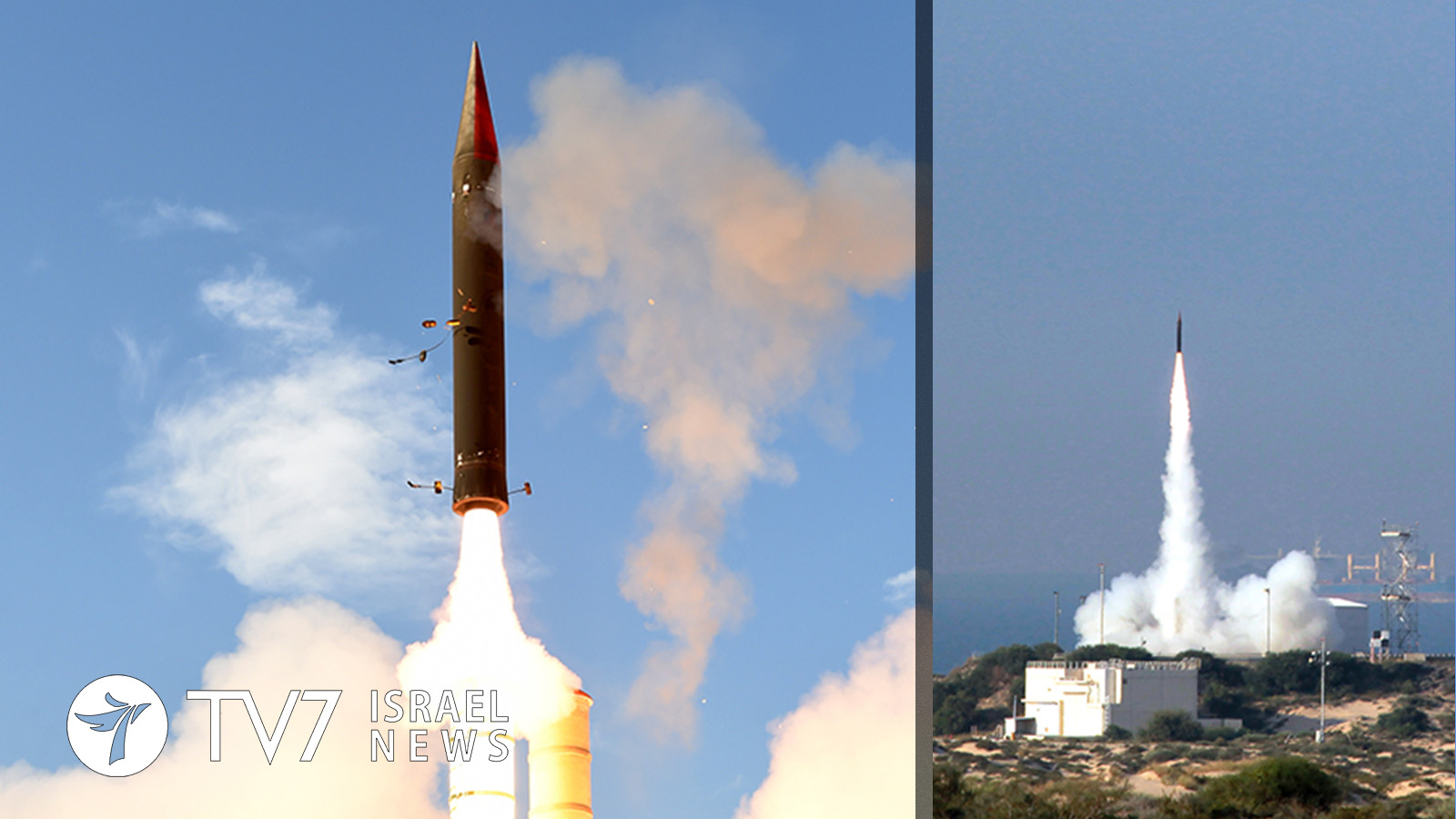
The Arrow missile defense system in action. The middle layer includes the
David's Sling system, which intercepts medium-range missiles and cruise
missiles as well as relatively heavy threats at altitudes between 15 and
70 kilometers. These three systems, together with Israeli Air Force
aircraft that sometimes participate in the defense mission and intercept
threats themselves, are used to intercept missiles launched from Iran.
As a result, the Israeli public often sees these missiles intercepted
far away, sometimes over neighboring countries.

David’s Sling Air Defence System
The vast distance is also the
reason that the IDF Home Front Command is usually able to issue advance
alerts before the missile reaches Israel, using the early warning siren
familiar for its piercing sound.
At closer ranges, Israel relies on
the well known Iron Dome system, which intercepts short-range rockets
and missiles at altitudes of up to 15 kilometers. This is perhaps the
air defense system most familiar to the Israeli public, since the Israel
Defense Forces have used it for years against threats from the Gaza
Strip as well as from Lebanon.
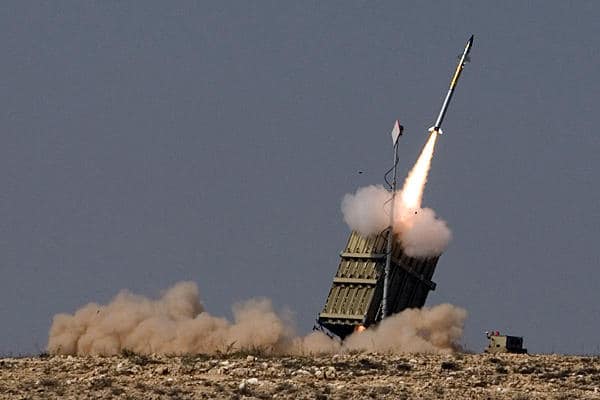
Iron Dome defense system Because of the short distance
between launch and the potential impact of these rockets, the IDF does
not issue warnings before launch. Instead, alerts are activated once the
threat is detected, often giving residents only a very short warning
window of up to about a minute and a half.
Another system is Iron Beam,
a laser-based defense system intended to protect Israel's skies from
short-range rocket and missile threats as well as hostile aircraft.
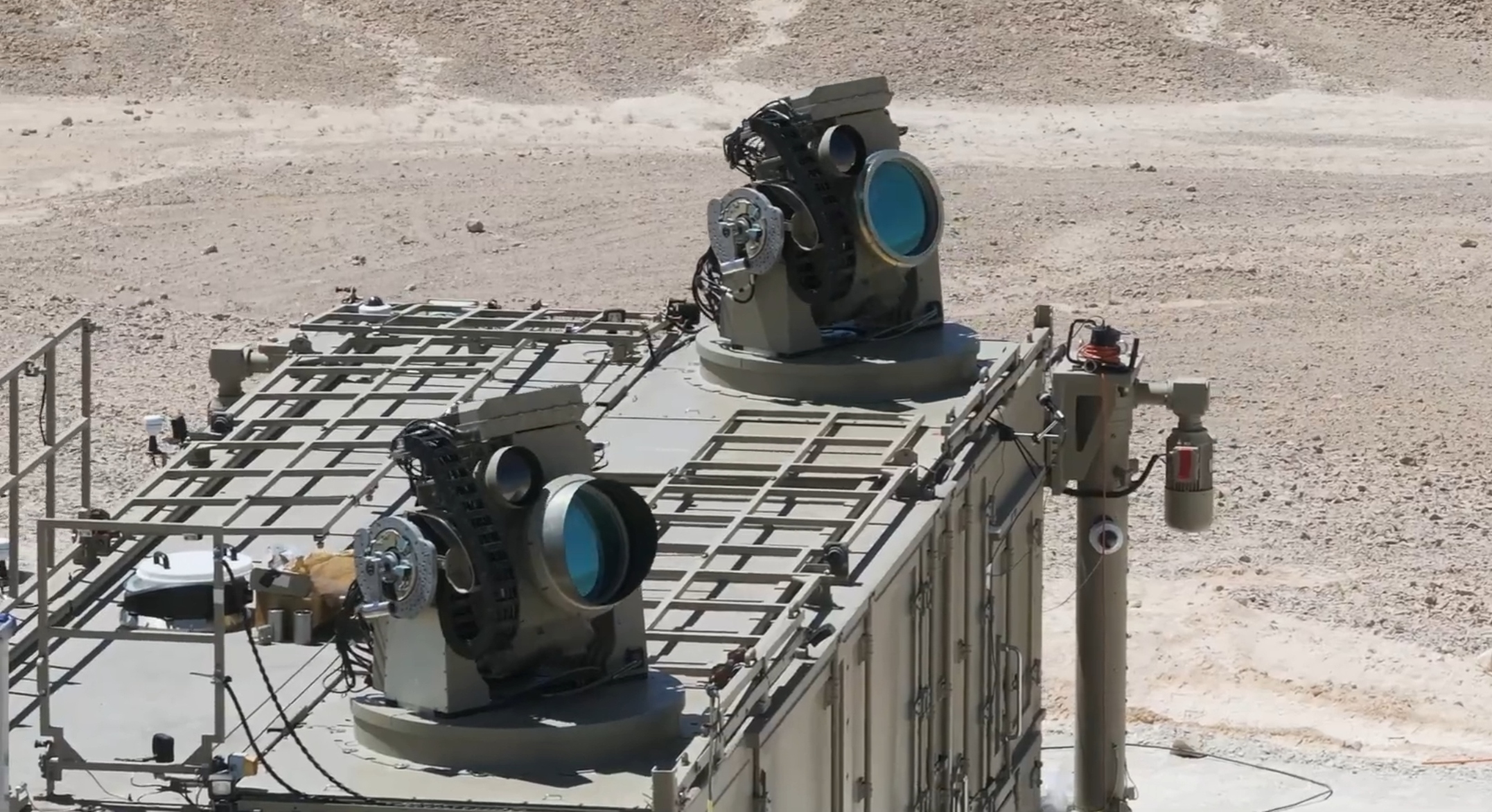
Iron Beam laser defense system. Alongside these systems are those deployed on Israeli Navy vessels,
which can also intercept aerial threats. In addition, US defense systems
deployed in the region contribute to the protective network, including
warships, a missile destroyer and an aircraft carrier, as well as THAAD
and Patriot defense batteries that protect US bases in the Middle East.
The middle layer includes the David's Sling system, which intercepts medium-range missiles and cruise missiles as well as relatively heavy threats at altitudes between 15 and 70 kilometers. These three systems, together with Israeli Air Force aircraft that sometimes participate in the defense mission and intercept threats themselves, are used to intercept missiles launched from Iran. As a result, the Israeli public often sees these missiles intercepted far away, sometimes over neighboring countries.
The vast distance is also the reason that the IDF Home Front Command is usually able to issue advance alerts before the missile reaches Israel, using the early warning siren familiar for its piercing sound.
At closer ranges, Israel relies on the well known Iron Dome system, which intercepts short-range rockets and missiles at altitudes of up to 15 kilometers. This is perhaps the air defense system most familiar to the Israeli public, since the Israel Defense Forces have used it for years against threats from the Gaza Strip as well as from Lebanon.
Because of the short distance between launch and the potential impact of these rockets, the IDF does not issue warnings before launch. Instead, alerts are activated once the threat is detected, often giving residents only a very short warning window of up to about a minute and a half.
Another system is Iron Beam, a laser-based defense system intended to protect Israel's skies from short-range rocket and missile threats as well as hostile aircraft.


No comments:
Post a Comment