Defeating the Houthis: Israel’s Red Sea imperative
Jerusalem must have a strategy that builds a durable alliance with capable regional partners and coordinate a decisive ground offensive to contain the broader Iran-Islamist axis.
By Habtom Ghebrezghiabher
JNS
Dec 3, 2025
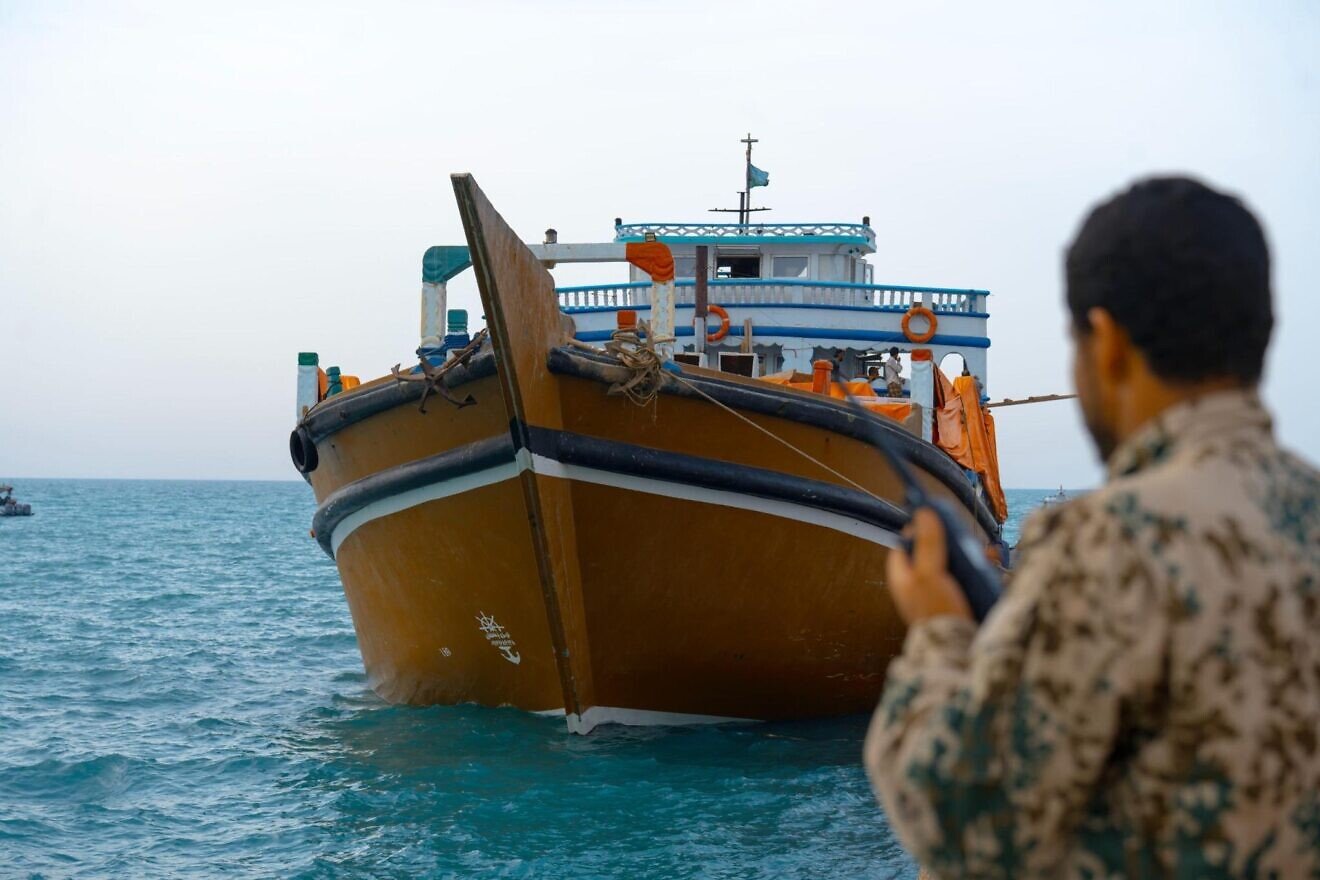
Israel must adopt a proactive Red Sea strategy—one that builds alliances grounded in shared culture and interests to confront the expanding Iran-Houthis-Islamist axis. The only sustainable solution is a coordinated ground offensive with capable and willing regional partners to defeat the Houthis and stabilize the region.
Recent warnings from Israeli Defense Minister Israel Katz noting that the Houthis, alongside hostile Syrian forces, may attempt a ground incursion into the Golan Heights underscore that these threats are not distant. The collapse of states such as Syria, Lebanon, Iraq, Yemen, Somalia and Sudan has allowed extremist Islamist militias to fill the vacuum, seeking legitimacy by targeting Israel.
Do not expect these failed states to recover and prepare for the uncertain fate of Egypt and Jordan. Thus, Israel must have a Red Sea strategy that builds a durable alliance with capable regional partners, drawing on shared heritage, and coordinate a decisive ground offensive to defeat the Houthis and contain the broader Iran-Islamist axis.
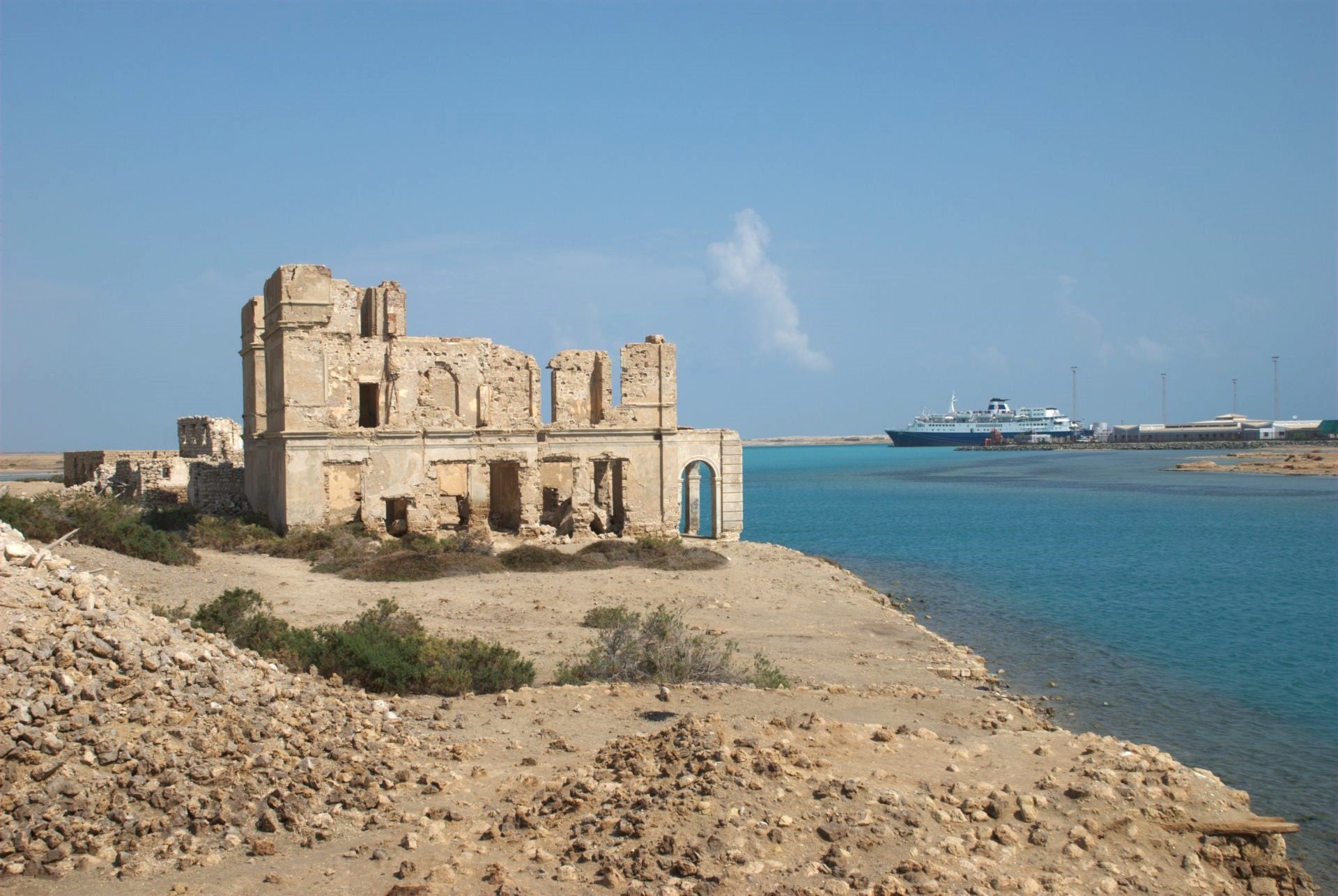
Iran and Turkey exploit fragile states as proxies to expand their influence. Turkey has a military base in Somalia, investing heavily in infrastructure and aid, and providing drones to Sudan’s Muslim Brotherhood to reclaim Suakin, a historic Ottoman port. Its influence stretches into Syria and Gaza, keeping a foothold near Israel’s borders.
Iran has entrenched itself even more deeply. Through the Houthis, Tehran controls the western Red Sea, while its alliance with the Eritrean dictator secures the eastern shore. The dictator facilitates Iran’s weapons pipelines to Sudan’s Islamist forces and maintains ties to Al-Shabaab. Iran reaches Israel directly through Hezbollah and emerging Islamist networks in Syria.
While Iran and Turkey are consolidating influence, Israel remains largely absent—a gap that leaves its security and economic interests increasingly vulnerable. Unlike Ben-Gurion’s Periphery Doctrine, no modern equivalent strategy exists. Even Abraham Accords partners lack cohesive national armies, historical perspective and strategic patience to counter Iran and Turkey.
The United States has also pulled back from the region, creating a vacuum filled by China and Russia, both aligned with Iran. To fill this vacuum, Israel must identify reliable regional partners who share its culture. Eritrea, with its cohesive national army and strategic location, emerges as the most viable option.

Eritrea: The missing strategic partner
The Houthis are a tribal, clan-based Islamist militia with no conventional army. Their slogan—“God is Great, Death to America, Death to Israel, Curse on the Jews, Victory to Islam”—reflects their ideology. They rely on missiles and drones, targeting Israeli ships and cities to gain legitimacy. Houthis pose a direct strategic threat to Israel.
Airstrikes, naval operations, targeted killings, and sanctions have all failed. The Saudi-led coalition’s eight-year, $200 billion campaign, and America’s two-year, $7 billion effort ended only in a fragile truce. Egypt, Saudi Arabia and the Gulf states, untargeted by the Houthis, are unwilling to confront them. Israel is left alone.
A viable solution requires a committed regional partner with real ground capabilities.
Eritrea is uniquely positioned, with a cohesive national army and strategic location capable of mounting a ground offensive against the Houthis. The de facto Tigrinya nation-state is Israel’s natural cultural and strategic partner. Historically, the Tigrinya defended their homeland against Islamic invasions and maintain Orit/Torah civilizational ties to Israel. Among Africa’s 54 countries, it is the only one besides Cameroon that does not recognize a Palestinian state.
Yet Eritrea’s dictator undermines this opportunity, aligning with Iran and the Muslim Brotherhood, and rejecting Israel—forcing the need for a post-dictatorship scenario to realize strategic cooperation. The dictator is enabling Iran’s expansion in Yemen, Sudan and Somalia, undermining the Tigrinya nation’s historic role as the West’s natural outpost in the Red Sea.
The dictator’s power depends on absolute media and narrative control and isolation. Breaking his monopoly through A 24/7 satellite TV and radio campaign, promoting Tigrinya nationalism, prosperity and hope while exposing his corruption and incompetence, would enable a peaceful, legal change. Israel can support Tigrinya nationalist media platforms, strengthen their broadcasting capacity and expand their reach inside Eritrea.
The Houthis pose a strategic threat to the Tigrinya, which has a vested interest in a strong Israel to help stabilize and diversify the Middle East power balance while defending their shared historical and cultural ties. In a post-dictatorship era, an official Tigrinya nation-state could mobilize more than 100,000 troops for a multi-front offensive with loyal Yemeni forces to defeat the Houthis. Permanently station 30,000 elite troops to stabilize Yemen, the Red Sea, the Gulf of Aden and the Arabian Sea.
Saudi Arabia, the United States, Europe, India, Australia and Japan could finance the operation, with Israel coordinating. This would place Eritrea at the center of Israeli and Western Red Sea security, securing access to their technology, know-how, markets and capital for its economic transformation.
The 2006 Somalia precedent is instructive: Ethiopia’s late Prime Minister Meles Zenawi led a ground operation that crushed Al-Shabaab and restored relative order where U.S. airstrikes had failed. Yemen now requires a similar approach—a ground offensive led by the Tigrinya army, coordinated by Israel and financed by international partners.
The alliance would also stabilize Sudan and contain Iran and Turkey’s expansion. Sudan’s proximity to Israel, its advanced military-industrial base and multiple Islamist militias supported by Eritrea’s dictator and Iran and Turkey make it a far more immediate threat: a “Yemen on steroids.”
Recommendations:
To safeguard Israel’s security, economy and regional influence, the following steps are essential:
- Build long-term alliances with the Tigrinya nation and other capable regional partners
- Support Tigrinya nationalist media to break the dictator’s narrative and media monopoly, enabling peaceful and legal change in Eritrea
- Coordinate a ground offensive to defeat the Houthis and stabilize Yemen
- Stabilize Sudan, and contain the expansion of Iran and Turkey
- Encourage U.S. engagement to counter China
Proactive action in the Horn of Africa and Red Sea is critical to Israel’s long-term security and regional stability.


No comments:
Post a Comment