Pro-Iranian and pro-Sunni factions battle for Hamas control
The leading candidates, Head of Hamas Political Bureau in Gaza Khalil al-Hayya and Head of Hamas Diaspora Bureau Khaled Mashaal, reflect a quiet battle between Iran and the Qatari-Turkish axis.
Israel Hayom
Dec30, 2025

Hamas fighters at the Nuseirat refugee camp in the central Gaza Strip, February 22, 2025
As 2025 comes to an end, the Hamas terror organization is expected to choose a new chairman next month who will hold the title "Head of the Political Bureau." The leading candidates, Head of Hamas Political Bureau in Gaza Khalil al-Hayya and Head of Hamas Diaspora Bureau Khaled Mashaal, reflect a quiet battle between Iran and the Qatari-Turkish axis. In practice, the struggle between these factions within the organization has led to convening the Shura Council to determine the next leader.
The Iranian axis wanted al-Hayya and his associates, like Zaher Jabarin, to take control and prioritize the rehabilitation of the "military wing" and policing mechanisms. It's no coincidence that Hamas officials who survived in Gaza are expressing support for them. It appears this isn't just about the current "head of the wing," Head of Hamas Military Wing Ezz al-Din al-Haddad, who supports al-Hayya. The replacements for the local bureau members also tend to choose him.
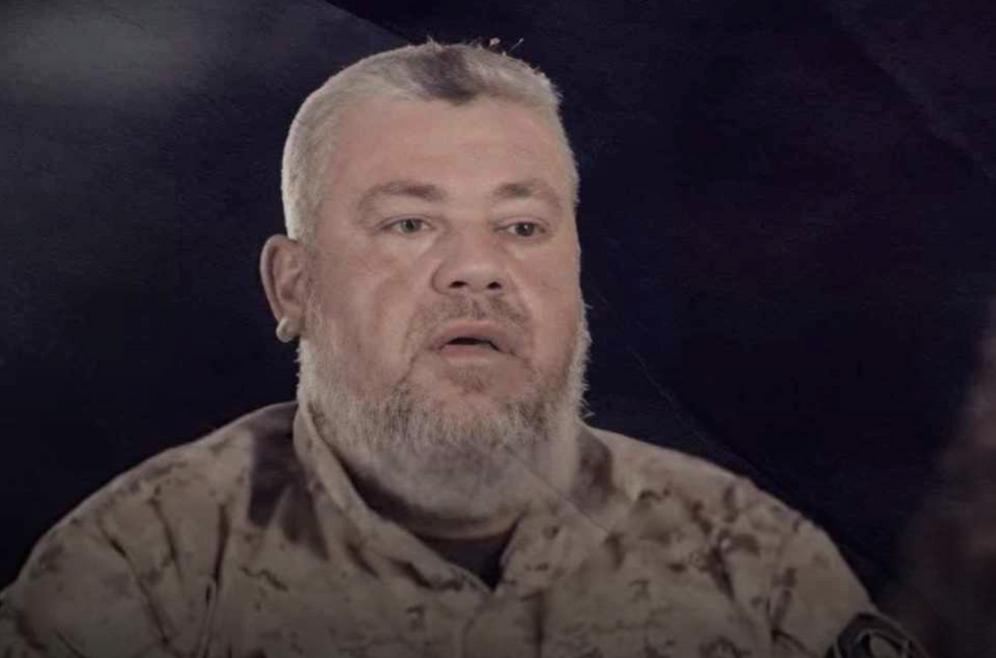
According to Arab reports, these include "former prisoners who were very close to Sinwar." One name that fits the description is Tawfiq Abu Naim. The man who previously headed the policing mechanisms, sat with Sinwar in prison, and is considered a natural candidate to lead the organization in the Strip.
In contrast, veteran and more calculated figures like Khaled Mashaal are pursuing a different path. This path essentially criticizes the decision of Sinwar, who gambled on the Iranian axis in the October 7 massacre, and believes a new course must be charted. The intention is mainly to advance a long-term temporary ceasefire agreement (hudna – a long-term truce in Islamic law) of several years, which would allow Hamas to re-establish itself, integrate into the PLO, get closer to Sunni states, and diversify its income sources. In other words, distances itself from Iran.
The leadership quintet
Moreover, Hamas officials revealed this week to the Egyptian media that, already after Sinwar's elimination in 2024, the organization tried to choose a new leader, but this process was postponed due to the eliminations carried out by Israel. These strikes created a "logistical difficulty" for the organization to conduct voting processes involving dozens of people. Furthermore, Hamas was cautious about appointing a clear leader who would immediately become a target.

Therefore, the leadership council was established by the quintet: Head of Hamas Shura Council Muhammad Darwish, Head of Hamas Political Bureau in Gaza Khalil al-Hayya, Head of the West Bank Portfolio Zaher Jabarin, Head of the Hamas Diaspora Bureau Khaled Mashaal, and Member of the Hamas Gaza Bureau Nizar Awadallah. Officials in the organization also reported that Deputy Political Bureau Chief Moussa Abu Marzouk, Mashaal's deputy, recently joined the council as the sixth member.
Against this background, an urgent message that al-Haddad sent to Hamas leadership abroad was also reported, in which he called for the election of a new leader as soon as possible. Al-Haddad, according to sources in Hamas, pressed to "expedite" the election in order to decide regarding the ceasefire agreement in Gaza. Moreover, it was said that he raised the names of the six council members as possible candidates for the position.
Yet those same sources noted that this call actually intensified the dispute between the factions within Hamas. They admitted that the organization is suffering from the most severe leadership vacuum since its founding.

From this emerges the possibility that Hamas will actually choose a "compromise candidate" rather than decide between the factions of Mashaal and al-Hayya. One name that came up in reports is Deputy Political Bureau Chief Moussa Abu Marzouk, who previously served as the Political Bureau's first head (during the organization's founder, Ahmad Yassin's tenure). The assessment is that Abu Marzouk will be able to lead a "middle way" that balances moving closer to Sunni states while maintaining the relationship with Iran.
Another name is Muhammad Darwish, head of the Shura Council, who is simultaneously defined as "head of the leadership council." In the past, it was reported that he competed with Yahya Sinwar for the position. However, he and Abu Marzouk are considered less popular.
Either way, the terror organization is at a historic low point. On one hand, Hamas is working to rehabilitate its capabilities, raise funds, and preserve its rule in the Strip with an iron fist. Despite the mediators' hopes to advance to the second stage of disarmament and replacing Hamas rule, on the ground its operatives are working to instill fear in the population, collect taxes, gather funds, and distribute salaries – even if at a lower rate.
On the other hand, the organization is torn between camps, has lost most of its military power and extensive territories in the Strip, and is finding it increasingly difficult to make decisions. This situation is leading more and more elements in the Strip, mainly from clans and militias, to challenge it. In a sense, the fear barrier has been broken. More and more Gazans are publicly accusing the organization of corruption. It is highly doubtful whether the new leader chosen abroad will succeed in pulling Hamas out of this pit. It is almost certain that his fate will be similar to his predecessors.


No comments:
Post a Comment