Texas-based ALERRT program under spotlight after Austin mass shooting
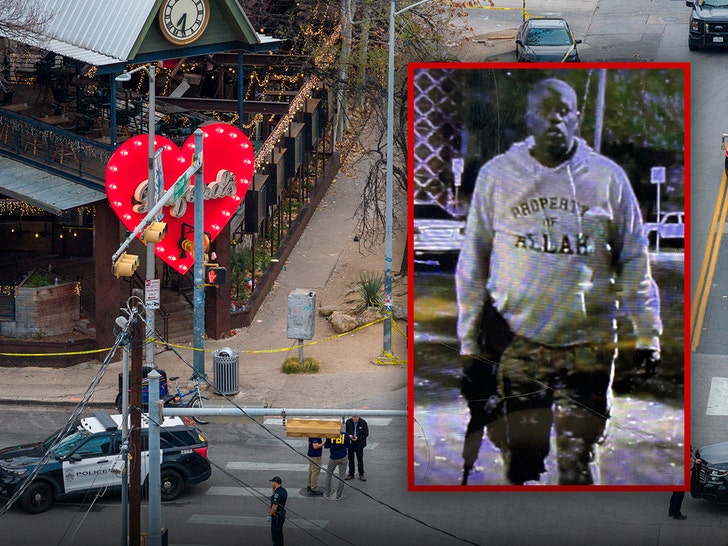
AUSTIN — As Austin recovers from this past weekend’s mass shooting, law enforcement leaders said specialized active-attack training developed in Central Texas likely prevented even greater loss of life.
Austin Police Chief Lisa Davis praised the Advanced Law Enforcement Rapid Response Training program — known as ALERRT — saying the training they provided helped guide the coordinated response between first responders and EMS.
“That training, there is no doubt, and with that coordinated response with EMS, saved lives,” Davis said.
 John Curnutt highlights the breaching training course at ALERRT’s facility.
 Training for chaos
A few miles from San Marcos, ALERRT operates a quiet, steel‑reinforced training campus designed to withstand live gunfire and simulate the chaos officers see in real active‑attack situations. Law enforcement from across the country train there.
“As you see, the building is steel,” ALERRT Assistant Executive Director John Curnutt said while knocking on a wall. “So it’s designed to contain any rounds that are fired inside.”
 Training courses provided by ALERRT prepare law enforcement for mass shooting events.
 Curnutt said every scenario is built to feel real.
He said the goal is “to try to design the stress inoculation into the reality based training, make it as realistic and as stressful as possible.”
Investigators exploring a terrorism connection
The shooting investigation includes a possible connection to terrorism, according to the FBI. Curnutt said a connection like this doesn’t change the core of what they do but can alter their tactics.
“A lot of these terrorist threats will fight harder,” Curnutt said. “They won’t give up like we see some, you know, domestic attackers do.”
He warned officers may face suspects who intend to fight until they are stopped.
“Just showing up is not going to scare them into submission this time,” he said. “They’re going to try to kill us as long as we let them.”
Curnutt said ALERRT will analyze the Austin attack and incorporate new lessons into future training.
How civilians react: ‘No right way’
In the hours after the shooting, social media filled with video showing people ducking for cover, running or staying behind to help the injured. Curnutt said fear and confusion are normal.
“It’s incredibly scary. It’s very stressful, chaotic,” he said. “It’s a reality that if you have 100 people in a room, not everyone’s going to think the same way and act the same way at the same time.”
 Investigators on the scene of mass shooting at Buford’s on downtown
Austin’s 6th Street on March 1, 2026.
Investigators on the scene of mass shooting at Buford’s on downtown
Austin’s 6th Street on March 1, 2026. 

1 comment:
Several years ago the main objective was to eliminate the threat ASAP. The main focus is to have a plan and everyone be on the same page. After the horrible lack of direction in Uvalde something had to change.
Post a Comment