Israel's hidden campaign in Syria is far more than stopping terrorism
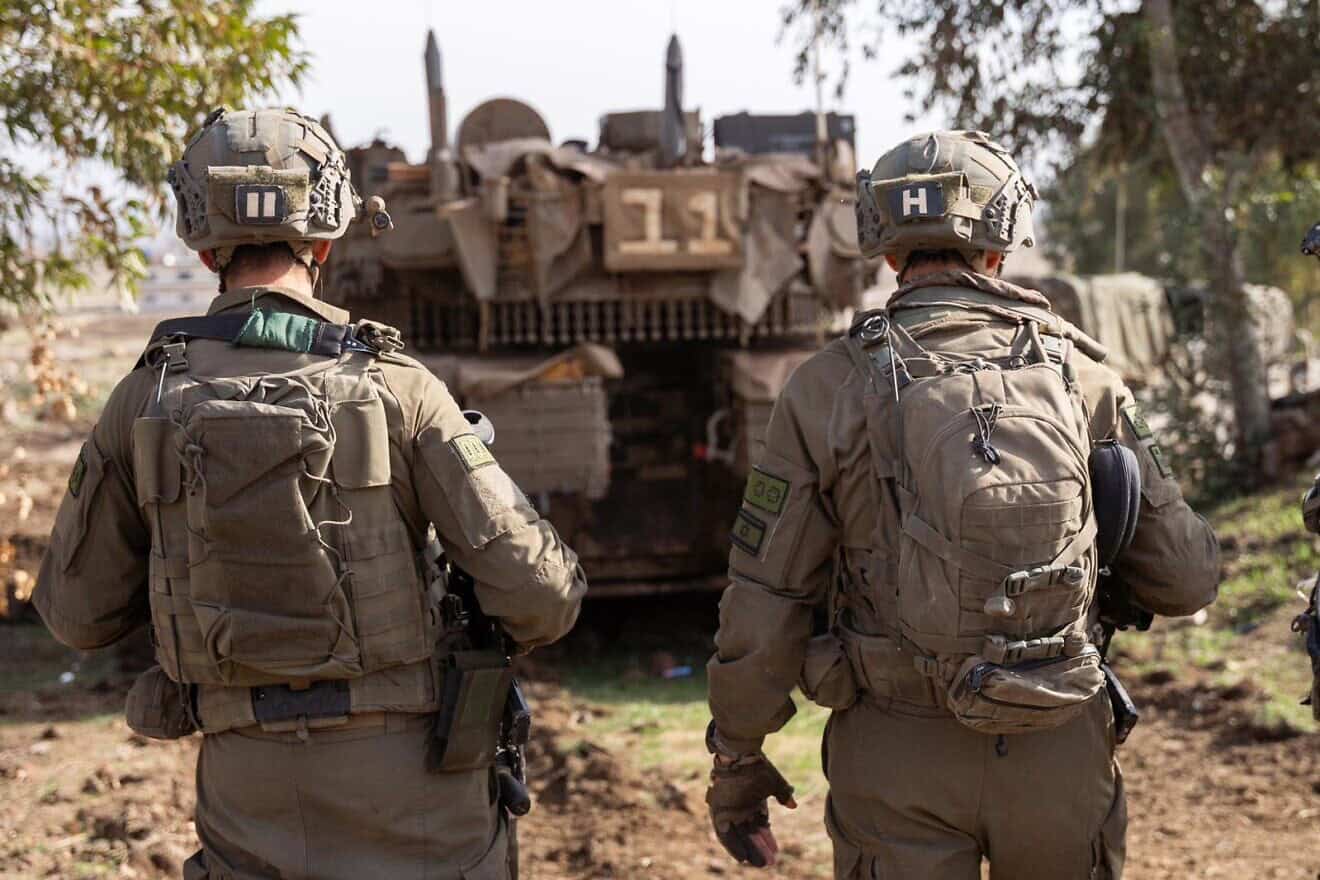
After the fall of the Assad regime, Israel moved quickly and ordered the IDF to take control of the buffer zone on the Syrian Golan Heights. Over the past year, IDF forces have thwarted Hamas-directed cells, Islamic State-inspired cells and cells guided by Iranian emissaries. The operation is also shaping developments inside Syria that directly affect Israel's long-term strategic interests.
Hostility to Israeli presence
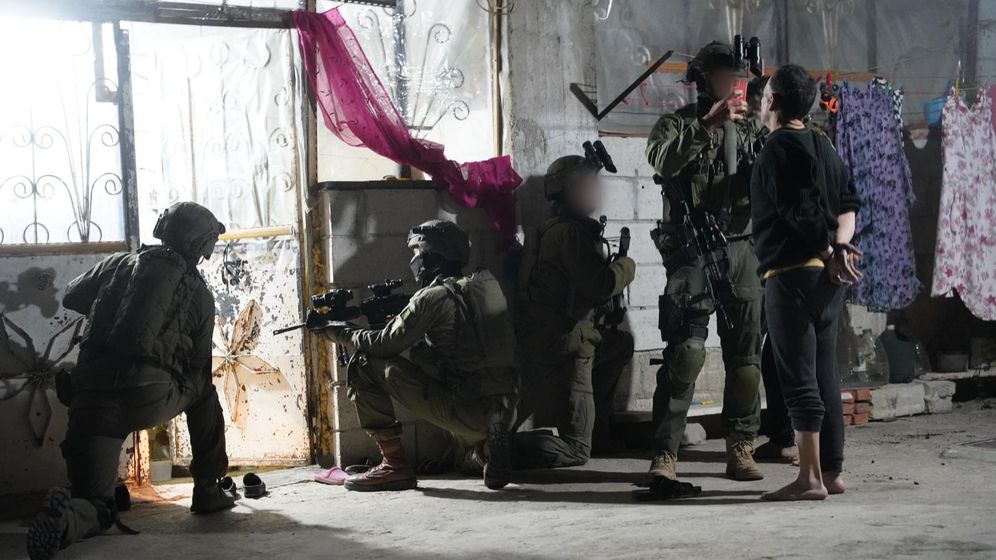
Within this framework, the forces carry out intelligence-driven raids to foil terrorist activity in villages within their sector, including beyond the buffer zone. This activity, which over the past year has become routine, has led to the thwarting of Hamas-directed cells, Islamic State-inspired cells and cells directed by Iranian proxies. In Sunni Muslim villages and towns, there is hostility toward the Israeli presence, and there have already been exchanges of fire that, until Friday morning, had not resulted in Israeli casualties. In this context, the encounter early Friday between a paratroop unit and armed men in Beit Jann, in which six soldiers were wounded, was not unexpected.
Beit Jann lies in a narrow valley on the slopes of Mount Hermon. Its residents, together with the adjacent town Mazraat Beit Jann, about twenty thousand Sunni Muslims in total, were considered supporters of the Assad regime during the civil war. After the 1973 Yom Kippur War, the IDF captured the area and remained there throughout the months of attrition until withdrawing under the 1974 disengagement agreement. At the time, I served as a tank commander at an outpost near Mazraat Beit Jann. In those days, the villagers were unarmed and did not serve as fertile ground for terrorist networks.
Today, the situation across Syria is entirely different. During the civil war, and especially after the fall of the Assad regime and the collapse of the Syrian army, the villages and towns became awash with weapons of all kinds, not only small arms. In this dimension, the monopoly on armed force across Syria is far from being held solely by the official government and army.
Political upheaval in Damascus
Damascus is marking one year since the fall of the Assad regime. Through astute diplomatic maneuvering, the new president, Mahmoud al-Shar'a, has secured broad international backing, including from the White House. Yet he is struggling to impose stability in the face of heavily armed separatist minorities, primarily the Druze and Kurds. At the same time, the regime itself uses armed Bedouin tribal groups for its purposes, as seen in the fighting in the Druze Mountain region, even though these groups are not fully subject to government authority.
Syria today is in a state of fluid, uncontrollable transformation, resembling streams of molten lava flowing during a volcanic eruption. Israel's activity, by this analogy, serves a dual purpose. The first and immediate goal is to prevent these streams from reaching the Israeli Golan border.
The second goal is to influence the shaping of trends unfolding in Syria that have long-term implications for Israel's strategic interests, just before these "lava streams" cool and solidify into a lasting new reality. From this perspective, the IDF's military friction, which also includes efforts to provide humanitarian aid to local residents, serves a purpose that extends beyond counterterrorism.
A global battleground
Meanwhile, Syria has become a battleground for global influence. Turkish efforts, bolstered by Qatari funding, stand out prominently. At the same time, Russia is seeking to restore its influence in and on Syria, including moves to reassert its presence on the Golan. One can assume Moscow is aiming to prevent a situation similar to the Gaza Strip, where the US has exclusive regional dominance in shaping long-term trends.
Within this system, the IDF presence in the area carries strategic significance, tied to readiness and the ability to operate east of the Golan border. This operational concept dates back to the tactics passed from Orde Wingate to Moshe Dayan and Yigal Allon in the 1938 Special Night Squads, which emphasized proactive operations beyond settlement fences and raids deep into Arab villages. This is what active defense looks like.


1 comment:
Fighting your enemy on his soil rather than your soil is often preferable.
Post a Comment